Beyond Europe’s celebrated capitals lies another side of the continent, where medieval streets, alpine lakes, fishing harbours and centuries-old traditions invite travellers to experience life at a gentler pace. From Slovenia’s storybook landscapes to the turquoise coastline of southern Italy, Europe’s smaller towns often deliver just as much history, gastronomy and natural beauty as their famous neighbours—with considerably fewer crowds.
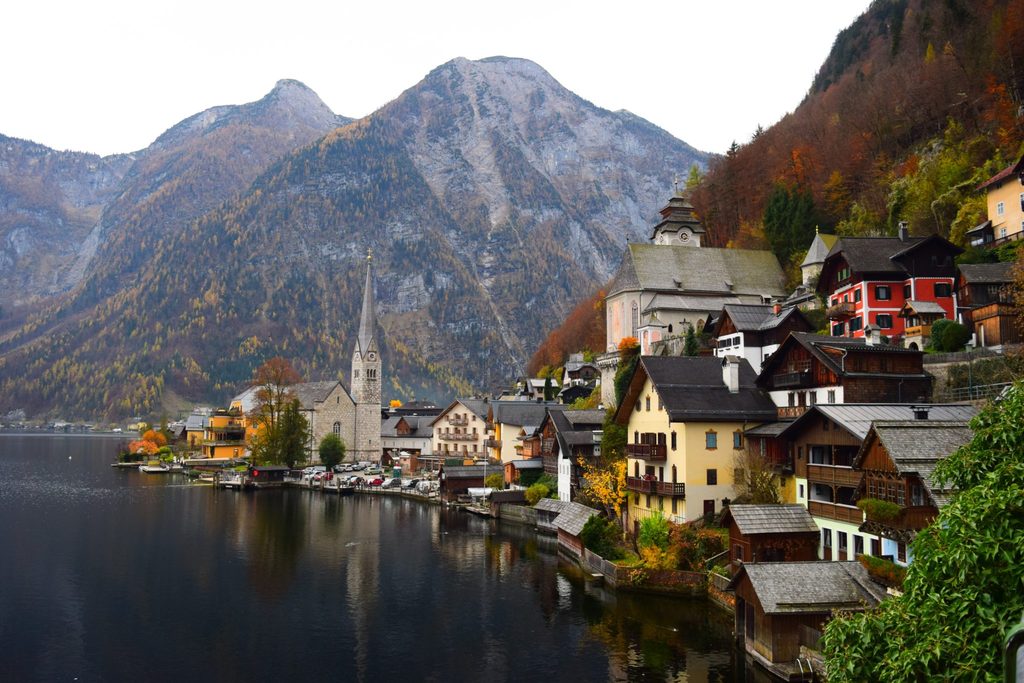
A picturesque European old town surrounded by mountains, water and historic architecture.
1. Bled, Slovenia
Few places capture Europe’s storybook beauty quite like Bled. Surrounded by the Julian Alps, its emerald-blue lake is centred around a tiny island crowned by a 17th-century church, reached aboard a traditional wooden boat. The surrounding landscape changes beautifully with the seasons, from snow-covered winter scenery to warm summer days ideal for hiking and exploring the lake. For panoramic views, venture up Straža Hill and admire one of Slovenia’s most recognisable landscapes from above.
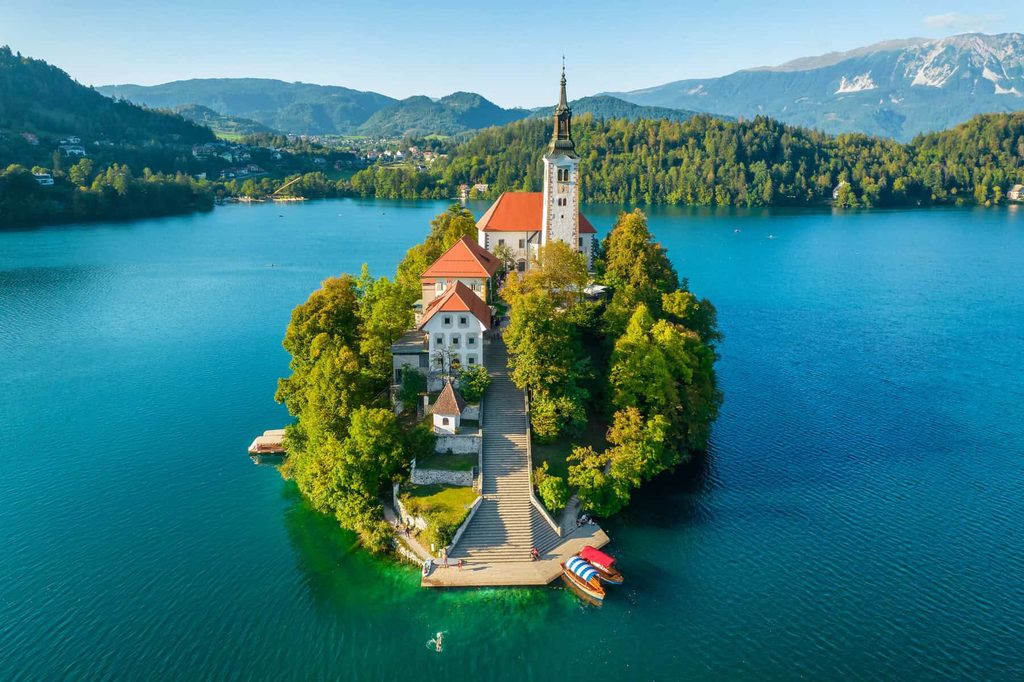
Lake Bled with its island church and the Julian Alps rising in the background.
2. Saint-Jean-de-Luz, France
On France’s Basque coast, Saint-Jean-de-Luz retains the character of a traditional fishing village despite its long-standing appeal as a seaside escape. Half-timbered buildings fill the historic quarter, colourful boats gather within its sheltered harbour and a broad golden beach curves alongside the town. Beyond relaxed afternoons beside the Atlantic, the surrounding coastline is renowned for surfing, including the famous waves around Plage de Lafitenia and Belharra.
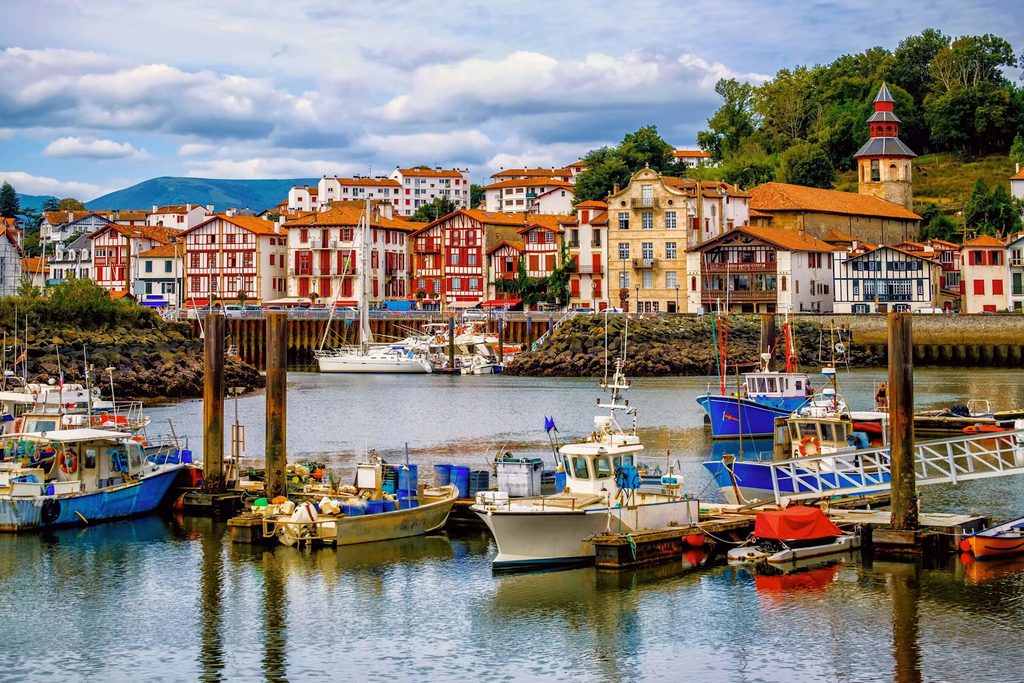
The harbour of Saint-Jean-de-Luz lined with traditional Basque architecture.
3. Otranto, Italy
At the eastern edge of Puglia, Otranto combines the pleasures of an Italian beach escape with centuries of history. White sands and brilliantly turquoise waters invite long afternoons of swimming and sunbathing, while the historic centre reveals winding streets and a medieval cathedral renowned for its extraordinary 12th-century floor mosaics. Travellers can also pair Otranto with nearby Lecce, celebrated for its elaborate Baroque architecture and often described as the “Florence of the South.”
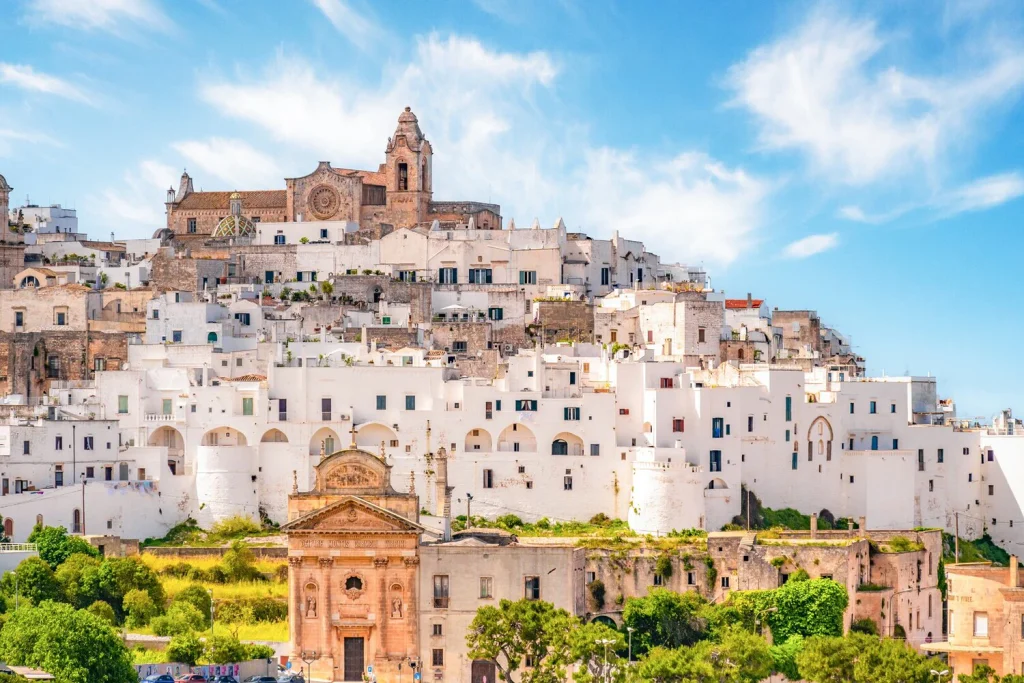
Otranto’s historic waterfront overlooking the turquoise Adriatic Sea.
4. Cadaqués, Spain
Whitewashed houses tumble towards a sheltered harbour in Cadaqués, one of the Costa Brava’s most captivating coastal towns. Its relatively secluded location has helped preserve an atmosphere far removed from Spain’s busier Mediterranean resorts. Spend mornings following scenic hiking trails, afternoons exploring cobalt-coloured coves by private boat and evenings dining beside the water. The area’s artistic heritage is equally compelling: Salvador Dalí spent decades at nearby Portlligat, where his former home can now be visited as a museum.
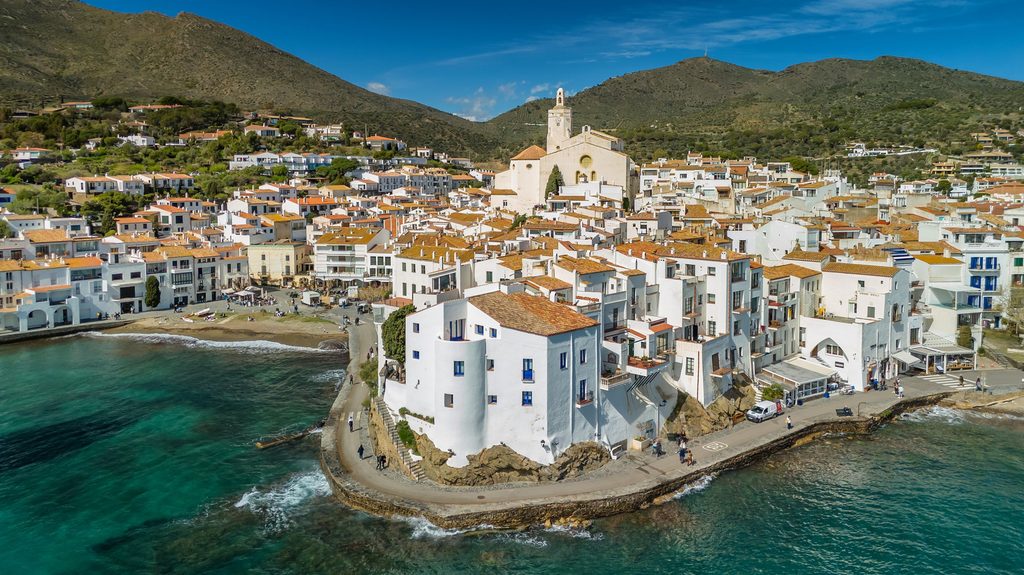
Whitewashed houses and fishing boats surrounding the waterfront in Cadaqués.
5. Zell am See, Austria
Set between the turquoise waters of Lake Zell and the soaring Schmittenhöhe mountain, Zell am See delivers quintessential Austrian Alpine scenery. Winter transforms the landscape into a playground for skiing and snowboarding, while summer brings hiking, cycling and swimming beneath the mountains. For a slower experience, board the vintage Pinzgauer Lokalbahn and travel through the surrounding countryside, with the spectacular Krimml Waterfalls also within easy reach.
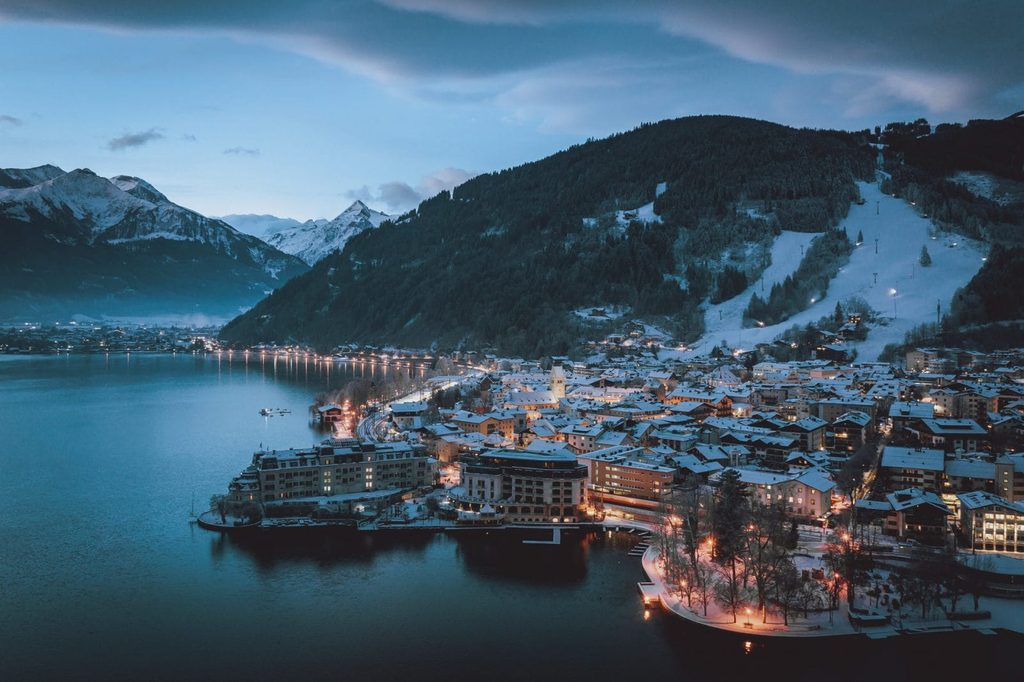
Zell am See beside its turquoise lake with snow-capped Alpine mountains beyond.
6. Rothenburg ob der Tauber, Germany
With its fortified walls, timber-framed houses and cobbled lanes, Rothenburg ob der Tauber is among Germany’s best-preserved medieval towns. Wandering through its historic centre feels remarkably like entering another century, with towers, stone gateways and traditional taverns around almost every corner. One of the finest ways to appreciate the town is from its approximately 1.5-mile rampart walk, which provides elevated views across the rooftops and surrounding Bavarian countryside.
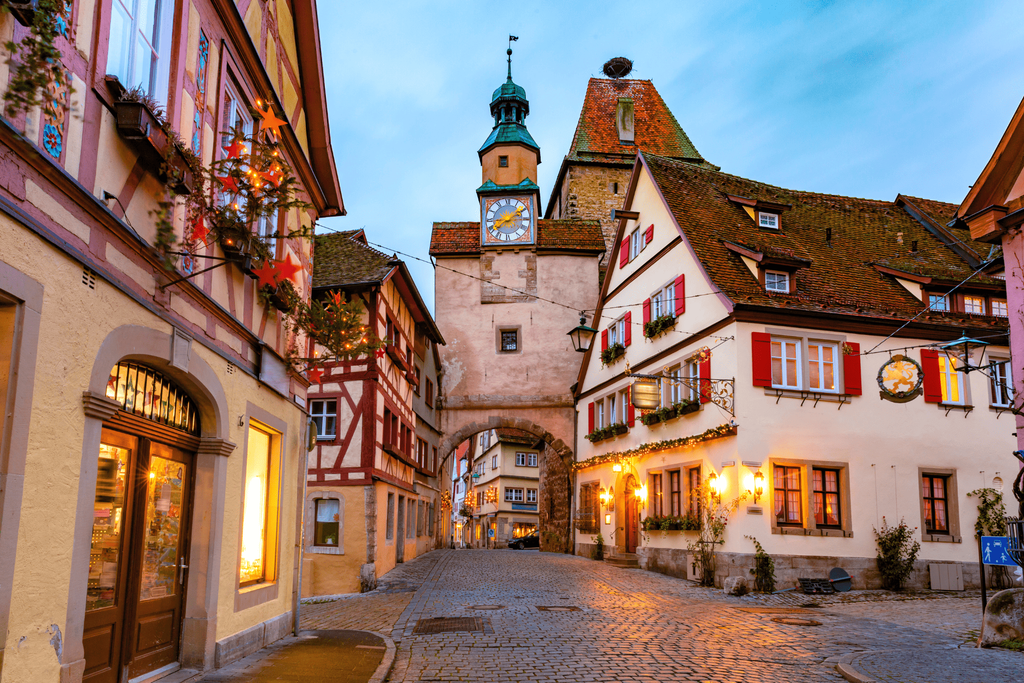
Rothenburg ob der Tauber’s colourful timber-framed houses and medieval streets.
7. Zermatt, Switzerland
Few mountain towns possess a backdrop as extraordinary as Zermatt. Sitting beneath the unmistakable Matterhorn, this car-free Swiss resort balances traditional Alpine character with exceptional hotels, restaurants and mountain experiences. Winter brings access to more than 200 miles of ski runs, while warmer months reveal spectacular hiking trails and the ancient glacial landscape of Gorner Gorge. Travellers can even cross into Italy via the Matterhorn Alpine Crossing, the highest cable-car border crossing in the Alps.
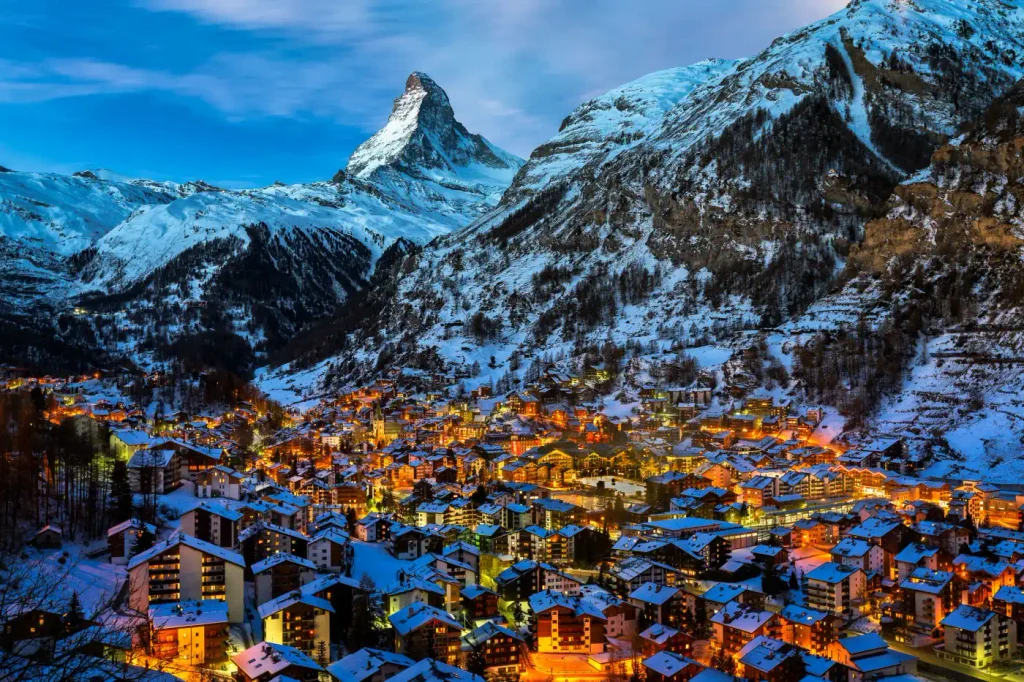
Zermatt’s traditional chalets beneath the snow-covered Matterhorn.
8. Rovinj, Croatia
Colourful buildings rise from the waterfront in Rovinj, an ancient fishing port on Croatia’s Istrian peninsula. Its atmospheric streets twist uphill towards the Baroque Church of St. Euphemia, while the harbour below remains filled with fishing boats and waterfront restaurants. Gastronomy is an essential part of the experience: fresh Adriatic seafood, celebrated Istrian truffles and local wines make Rovinj particularly rewarding for food lovers. Nearby vineyards and the beautiful Brijuni Islands offer compelling reasons to stay a little longer.
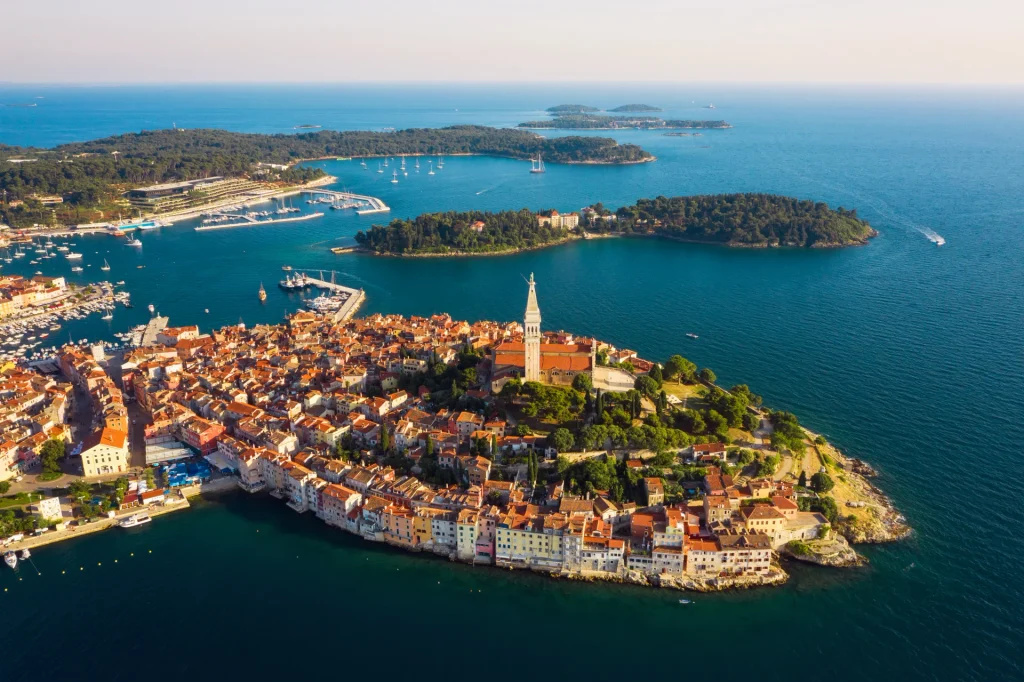
Rovinj’s colourful old town and Church of St. Euphemia overlooking the Adriatic.
Discover a Slower Side of Europe
What makes Europe’s smaller towns so appealing is their ability to turn simple moments into the highlights of a journey. A morning boat ride across Lake Bled, lunch overlooking the Adriatic in Rovinj, an afternoon wandering Rothenburg’s medieval walls or an evening beneath the Matterhorn can reveal a side of Europe that is easily missed when travelling only between major cities. These destinations reward travellers who linger, offering local gastronomy, historic architecture and remarkable landscapes without the relentless pace of Europe’s busiest capitals.
From the Alpine landscapes of Slovenia, Austria and Switzerland to the sun-drenched shores of France, Spain, Italy and Croatia, Europe’s small towns are perfect additions to a thoughtfully designed journey. Matthew Rian Travel Concierge can curate bespoke European itineraries featuring luxury boutique hotels, private transfers, exclusive local experiences and tailor-made routes connecting celebrated cities with lesser-known destinations, allowing you to discover Europe at a more personal and unhurried pace.